
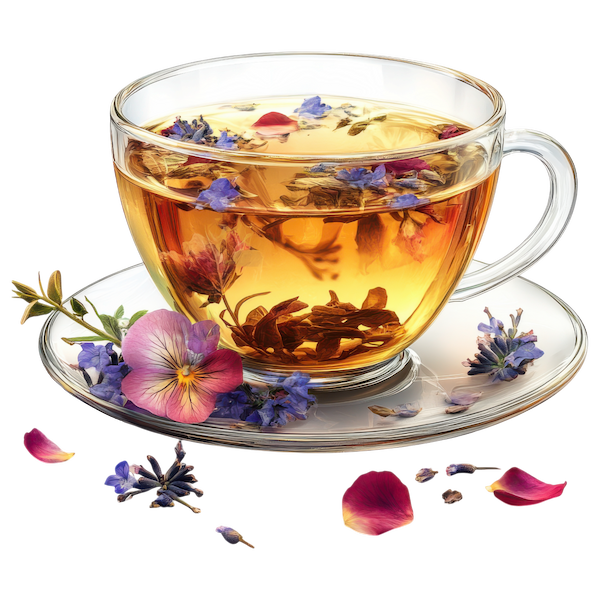
Herbal teas from around the world have been steeped into daily life for centuries, quietly woven into routines of rest, healing, celebration, and connection. From simple leaf infusions to carefully layered blends of roots, flowers, and spices, each cup tells a story shaped by climate, tradition, and care. These teas are not just beverages, but moments—offered to guests, shared at tables, or enjoyed alone in peaceful reflection.
Across cultures, herbal tea rituals reflect the pace and personality of the places they come from. Some are served sweet and strong, others light and floral, some meant for comfort and others for clarity or renewal. The vessels, garnishes, and surroundings matter just as much as the herbs themselves, turning tea into a sensory experience that invites calm and presence.
Let’s look at the many ways people enjoy herbal teas from around the world, and how tradition, serving-ware, style and ambience can turn a simple drink into a whole experience.
Brewing Traditions
Across cultures, the preparation of herbal teas is as expressive as the botanicals themselves, revealing deeply held values shaped by landscape, history, and daily ritual. Methods of brewing speak to ideals of patience, hospitality, mindfulness, and practicality—sometimes elevated into ceremony, at other times woven seamlessly into everyday life. Whether marked by deliberate precision or comforting simplicity, each approach lends its own quiet elegance. Together, these traditions reflect tea’s remarkable ability to adapt to the lives and sensibilities of those who cherish it.
- Loose Leaf Brewing
- Loved for its depth and flexibility. Tea lovers enjoy the fuller flavor, the ritual of measuring leaves, and the feeling of slowing down just enough to be present.
- Samovar Style (Russia & Central Asia)
- Cherished for its communal spirit. This method keeps tea warm for long conversations, making it perfect for gatherings, storytelling, and lingering at the table.
- Tea Bags
- Appreciated for simplicity and comfort. Familiar and reliable, tea bags make it easy to enjoy a cup anytime, anywhere, without fuss.
- Gongfu Tea (China)
- Valued for its mindfulness and artistry. Each small pour invites attention, patience, and curiosity as the tea reveals new layers with every steep.
- Japanese Matcha Ceremony
- Loved for its grounding effect. The deliberate movements and quiet focus create a moment of calm, reflection, and respect in a busy world.
Taken together, these brewing traditions form a quiet tapestry of human experience, where technique and intention are inseparable. Each method, whether ceremonial or informal, honors both the plants themselves and the moments they are meant to accompany. In this way, herbal tea becomes more than a beverage—it is a shared language of care, reflection, and cultural continuity, passed gently from one cup to the next.
Herbal Teas from Around the World
Herbal teas from around the world are brewed, sweetened, and served in countless ways, each carrying its own cultural weight and charm. Whether enriched with milk and spice, delicately sweetened, or enjoyed in its pure, unadorned form, each manner of preparation reflects the values, histories, and sensibilities of the societies that cherish it.
The following styles offer a glimpse into the diverse and time-honored ways tea is enjoyed around the world:
- Cream & Sugar
Most famously in British afternoon tea, where black teas like Assam and Darjeeling are softened with milk or cream, and sweetened with sugar. This tradition has spread to Commonwealth countries, especially India. - Plain (No Additives)
Common in East Asia, where teas are celebrated for their purity. In China, Japan, and Korea, teas are usually enjoyed plain to appreciate the leaves’ natural character. - Tea and Honey
Popular worldwide — from chamomile with honey in Europe, to hibiscus with honey in the Caribbean, to mint tea with honey in Morocco. Honey not only sweetens but brings depth and health benefits. - Spiced & Flavored
In India, chai is brewed with milk, sugar, and spices like cardamom and ginger. In Turkey and the Middle East, tea often comes strong and sweet, sometimes infused with herbs like mint.
Together, these traditions reveal how herbal teas from around the world serve as both a mirror and a bridge between cultures, adapting gracefully to local tastes while preserving a sense of shared ritual. Whether sipped plainly in quiet contemplation or enriched with sweetness and spice in communal settings, each cup carries echoes of place, history, and human connection. In exploring these varied practices, we are reminded that tea’s greatest richness lies not only in its flavor, but in the stories and sensibilities it gathers along the way.
Serving Ware and Style
The vessels in which herbal teas from around the world are served are rarely incidental; they are an extension of the ritual itself, reflecting aesthetic ideals, social customs, and philosophies of hospitality. From finely wrought porcelain to humble clay, serving ware shapes not only the experience of drinking tea but also the meaning it carries within a culture.
The styles below illustrate how different societies express refinement, reverence, and tradition through the objects that cradle the cup:
- Porcelain Teapots & Teacups (Europe)
Delicate floral china sets elevate the charm of afternoon tea. Teacups are often paired with matching saucers and ornate silver spoons. - Glassware (Middle East & North Africa)
Mint tea in Morocco is famously served in tall, etched glass cups. Hibiscus tea in Egypt is served in glass tumblers, showcasing its deep crimson color. - Ceramic Bowls (Japan)
Matcha is whisked and sipped directly from ceramic bowls (chawan), which are chosen carefully for their texture and aesthetic. - Rustic Clay Cups (China & India)
In rural India, chai is sometimes served in small clay cups called kulhads, which are biodegradable and add an earthy flavor.
Together, these traditions of herbal teas from around the world remind us that serving ware is far more than a practical necessity—it is a quiet storyteller. Each cup, bowl, or glass carries the imprint of its culture, shaping how tea is perceived, handled, and enjoyed. In honoring these vessels, we honor the rituals they support and the generations of hands that have lifted them, finding meaning and comfort in the simple act of drinking tea.
Table, Flowers and Ambience
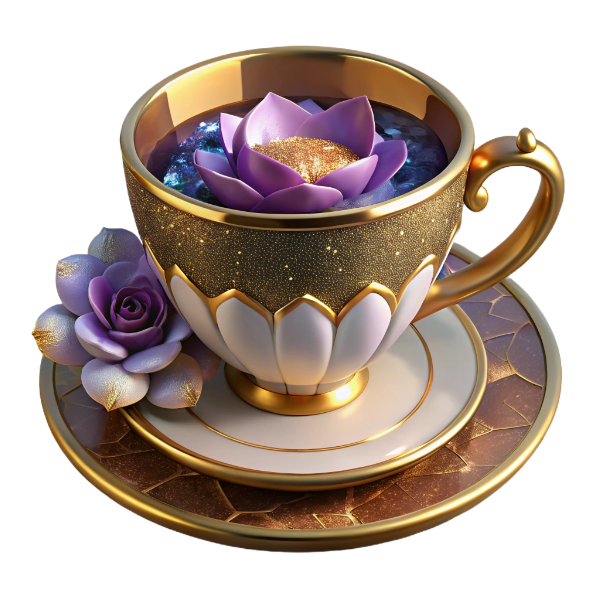
The setting in which tea is served is as expressive as the cup itself, shaping mood, meaning, and memory. Across cultures, tables, flowers, and surrounding details are carefully chosen to reflect values of beauty, hospitality, and presence. Whether refined or rustic, each tea setting creates an atmosphere that invites connection—between people, with nature, and with the moment at hand.
- European Tea Table
A vase of fresh-cut roses, tulips, or peonies, lace tablecloths, and a tiered tray of scones and finger sandwiches. Afternoon tea is elegance embodied. - Japanese Ambiance
Minimalist, clean, often accented with ikebana (flower arrangements) and seasonal blossoms. Tea here is about mindfulness and simplicity. - Middle Eastern Tea Setting
Low tables with brass trays, Moroccan lanterns, and sprigs of mint in decorative glass pitchers. Social, colorful, and aromatic. - Rustic Garden Vibe
Perfect for herbal teas and honey pairings — wildflowers in mason jars, wooden serving trays, and a casual, cozy charm that feels timeless.
Together, these varied ambiences reveal that tea is never merely consumed; it is experienced. From formal elegance to quiet minimalism and warm, communal comfort, each setting frames the ritual in its own distinctive way. In attending to the table, the flowers, and the space around the cup, tea becomes a gentle art—one that honors both tradition and the simple pleasure of being present.
Create Your Own Tea Atmosphere
Creating a tea atmosphere at home is an invitation to bring intention and artistry into everyday life. Drawing inspiration from global tea traditions, you can transform even a simple cup into a small ritual—one that reflects your personal taste while honoring the cultures that have shaped tea’s enduring presence.
When serving herbal teas from around the world at home, think beyond the cup:
- Choose teaware that matches your vibe — fine porcelain for elegance, handmade pottery for rustic charm, glass for modern minimalism.
- Add natural elements like flowers, herbs, or even floating petals in the teapot for visual beauty.
- Set the mood with music — soft strings, gentle jazz, or even quiet nature sounds.
- Don’t forget the honey jar — it’s as much a centerpiece as the teapot when pairing with floral teas.
Ultimately, the beauty of tea lies in its flexibility and intimacy. There are no rigid rules, only thoughtful choices that turn brewing into a moment of care and reflection. When you shape the space, the sounds, and the details around your cup, you create more than a setting—you create an experience, one meant to be lingered over and quietly enjoyed.
Let’s fill our tea cups with herbal teas from around the world!
Looking for calendar events?
Visit our fun and informative guides for October, November, and December from Charming Solutions to make the most out of every month.